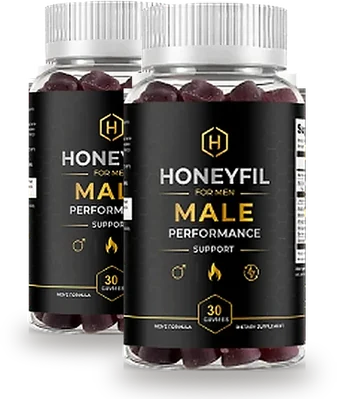
2 Bottles
60-day supply
$79 / bottle
Total $158 + $9.99 shipping
- 60 gummies — 60-day supply
- + $9.99 shipping
- 60-day money-back guarantee
- One-time purchase, no subscription
Same plant, different processing. What "red" means, what studies report on fatigue, and who should check with a doctor.

Korean red ginseng and white ginseng are both Panax ginseng, the plant also called Asian ginseng. According to NCCIH, "red" and "white" describe how the root is processed. White ginseng is dried, while red ginseng is steamed before drying, which gives it a reddish-amber color and changes its profile of active compounds, the ginsenosides.
Don't confuse it with American ginseng (Panax quinquefolius) or "Siberian ginseng", which is a different plant altogether.
Asian ginseng has been used for centuries in traditional Chinese and Korean medicine as a general tonic and an adaptogen, meaning a herb thought to help the body resist physical and mental stress.
NCCIH summarizes a 2023 review of 19 studies suggesting Asian ginseng alone may have a small beneficial effect on general fatigue, though not all research agrees. The ODS review of performance supplements found little evidence that ginseng improves athletic performance. Short-term use, up to about six months, appears safe for most people at recommended amounts.
Ginseng may interact with some medicines. NCCIH lists uncertainties around blood-pressure drugs, statins and some antidepressants, and the ODS notes ginseng can reduce the effect of the blood thinner warfarin. If you take any of these, check with your doctor first (NCCIH: herb–drug interactions).
In HONEYFIL, Korean red ginseng supports the daily energy, stamina and stress balance focus areas.
This article is for general education and is not medical advice. Talk to your doctor before starting any supplement.
Every package ships from the seller with the same 60-day money-back guarantee. Bigger packs lower the per-bottle price and add free US shipping.
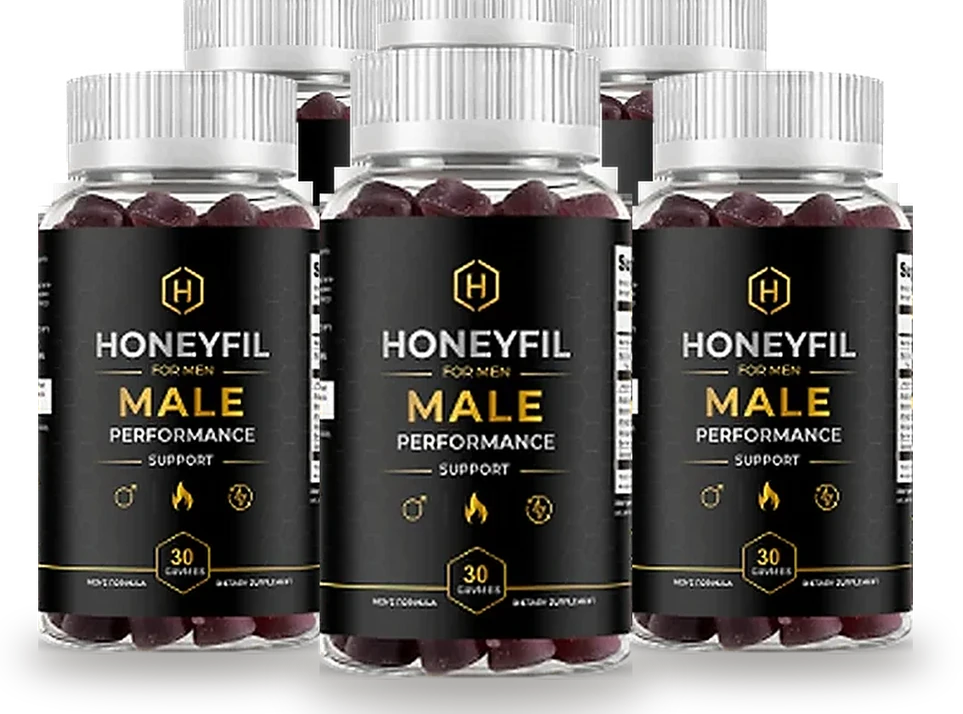
A full 180-day supply of the once-daily gummy, at the lowest per-bottle price the seller lists.